



From HYROX floors to hydration vests, recovery scores to natural fibers - fitness in 2026 is intentional, informed, and built to last.
Fitness has been evolving the past decade, but 2025 wasn't just another chapter.It was a shift.
This was the year packed arenas became normal. - the year everyday athletes lined up alongside elites on HYROX floors, marathon start lines, and functional training studios. Fitness showed up loud, committed, and collective.
But beyond the noise, something more fundamental took hold. Recovery became non-negotiable. Hydration became strategic. Natural fibers replaced synthetic defaults. And sustainability moved past greenwashing and vague carbon claims to address real problems - like water.
That energy defined 2025. It was the year fitness became more intentional, more informed, and far less interested in shortcuts.
As we step into 2026, one thing is clear: fitness is going to be about better systems. So this is Fitness Wrapped by Tego. Not a rewind of everything, but a snapshot of the trends shaping how everyday athletes move forward.
Trend #1: Functional Training Went Mainstream
HYROX didn't just arrive in 2025. It arrived everywhere.
What started as a niche endurance event became the blueprint for how people train. SkiErg stations, sled pushes, sandbag lunges; movements that translate directly to real life. Not just gym strong. Useful strong.
The everyday athlete gets it now: functional training isn't about looking fit. It's about being capable. Carrying luggage up stairs. Lifting your kid without tweaking your back. Running without breaking down.
In 2026, training is purpose-built. Aesthetic goals haven't disappeared - they've just stopped being the point.
Trend #2: Recovery Became the Strategy
Recovery stopped being a reward; it became work.
Devices like Whoop made it impossible to ignore. Sleep scores. HRV trends. Strain vs. recovery balance. The data forced a reckoning: you can't train hard if you don't recover harder.
The flex is no longer how many sessions you crushed. It's knowing when to push and when to pause.
For the everyday athlete, this shift means fewer burnout cycles and more consistency. Rest isn't the opposite of training, it's the foundation of it. You don't get fitter during the workout. You get fitter when you recover from it.
In 2026, recovery isn't optional. It's the strategy.
Trend #3: Hydration Got Serious
Hydration used to be an afterthought. Grab a bottle. Hope it's enough.
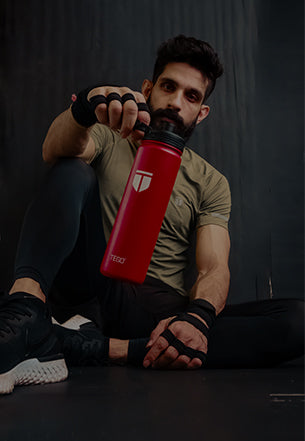
In 2025, it became infrastructure. Run vests with built-in hydration systems turned long runs into manageable efforts. Electrolyte timing replaced random water breaks. Everyday athletes started treating hydration like fuel - because it is.
The shift is simple: you can't perform if you're dehydrated. And you can't stay hydrated if your system isn't designed for it.
#4: Natural Fibers Reclaimed Their Place
Synthetic performance fabrics dominated for decades - light, engineered, fast-drying.
But in 2025, everyday athletes started asking better questions about what they were wearing and why. Natural fibers like cotton, modal, merino began reclaiming space in performance wardrobes. Not as nostalgia. As evolution.
At Tego, we saw this clearly. Our Revive series isn't a throwback, it's natural fibers reimagined for modern training. Soft against the skin. Breathable under load. Designed to hold up over time, not just through a wash cycle.
The appeal is simple: natural fibers feel better. They move better, especially in India's humid conditions where comfort directly impacts consistency.
This isn't about replacing what works. We still engineer with performance synthetics—lightweight, moisture-wicking fabrics built for speed and distance. But for flow-based activities, recovery training, and lifting sessions where breathability matters more than quick-dry, natural fibers reclaim their place.
It's about figuring out where each material fits in how you actually train.
In 2026, performance cotton is getting an upgrade.
Trend #5: Sustainability Stopped Being About Carbon Offsets
Sustainability showed up everywhere in 2025. So did skepticism.
Customers got wary of carbon neutral claims and eco-friendly buzzwords. They started asking harder questions—not just about materials, but about durability.
The truth? Sustainability isn't a claim you make. It's a problem you solve.
With our Revive Collection, we looked at water—the environmental cost no one discusses. Conventional cotton production consumes massive amounts of water and drowns ecosystems. So we engineered around it: recycled cotton sourced from factory selvedge, blended with recycled PET to create a fabric that performs while dramatically reducing water consumption.
But the real sustainability play isn't just the material. It's longevity. Gear built to last years, not seasons. Products designed to be worn hard and hold up. Fewer purchases. Better choices.
In 2026, sustainability is durability.
The Tego Take
At Tego, we believe fitness should support your life, not take it over.
The shifts we saw in 2025, and the direction we're heading in 2026, point to the same truth: intention beats intensity, recovery beats burnout, and progress should feel sustainable.
For the everyday athlete, that means:
-
Training functionally
-
Recovering strategically
-
Hydrating properly
-
Wearing materials that feel human
-
Choosing gear that lasts
Here's to training with purpose, recovering properly, and showing up ready.
HARD WORK SHOWS


